Safeguard Your Residence: Professional Roof Services for Every Situation
In today's rapid world, roofing concerns can easily progress from trivial issues to serious worries. Many homeowners are unsure about when to repair or replace their roofs. Grasping the multiple types available and the advantages they offer can make a significant impact. As these decisions impact both longevity and energy efficiency, investigating expert approaches becomes necessary. What factors should one consider when undertaking a roof project? The responses may amaze you.
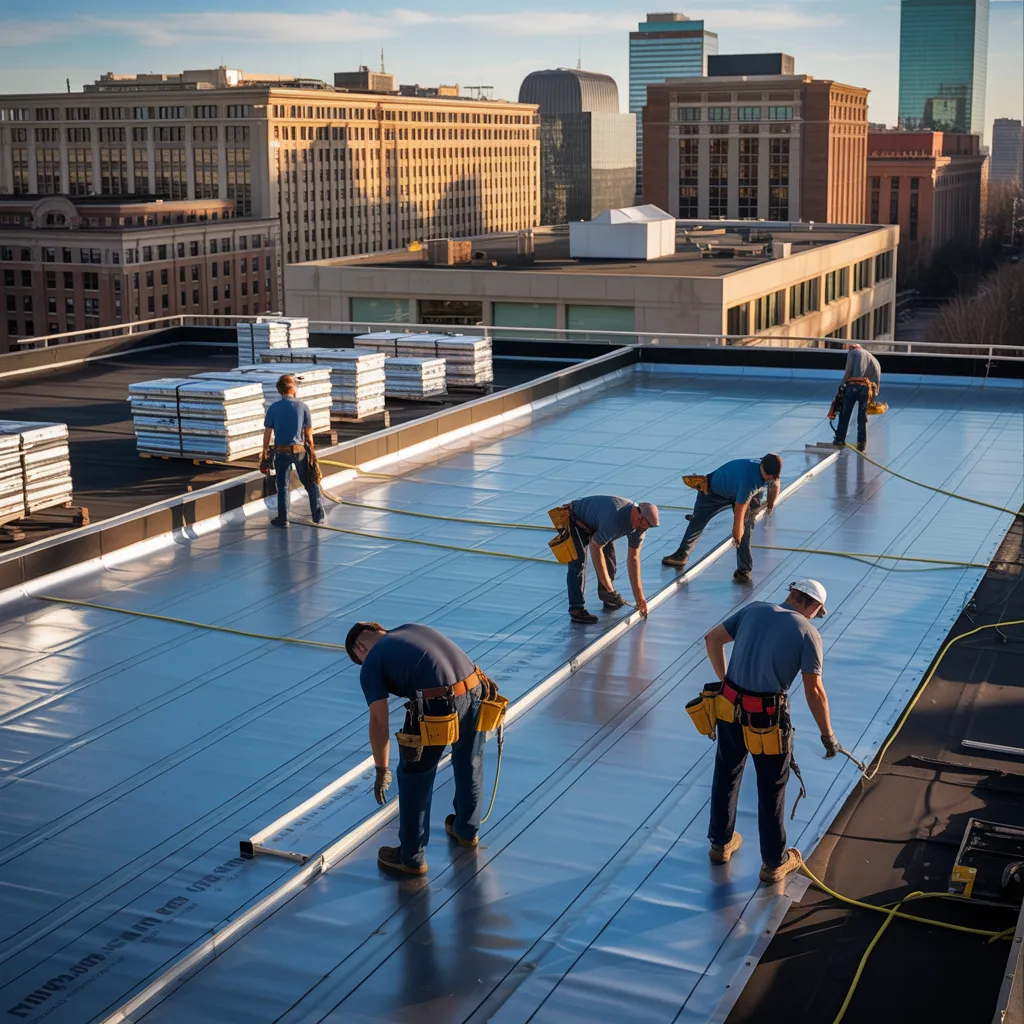
Spotting Regular Roofing Problems and Answers
How can property owners efficiently detect frequent roofing problems before they escalate? Regular inspections are crucial for detecting issues early. Property owners should look for visible signs such as missing or damaged shingles, which can reveal the base layers to moisture. Additionally, inspecting for granule loss in gutters can signal roof damage. Water stains on ceilings or walls may indicate leaks, and homeowners should inspect the attic for signs of moisture or mold.
Another essential point is examining flashing around chimneys and vents, since weakening in these spots can cause considerable leaks. Homeowners should also monitor sagging areas, which may indicate structural problems. By staying vigilant and carrying out routine checks, homeowners can manage roofing issues promptly, potentially cutting down expensive repairs. In general, proactive identification of these common issues supports a healthier roof and prolongs the endurance of the home’s structure.
Deciding Between Fixing and Swapping Out Your Roof
After identifying common roofing problems, homeowners must decide whether to fix or renew their roof. This decision often depends on the level of damage and the roof's overall age. Small leaks or isolated damage can usually be fixed with fixes, particularly when the roof is fairly new. However, if a roof is approaching the end of its lifespan—usually 20 to 30 years for most materials—replacement may be the more economical option in the long run.
Homeowners should also assess the repair frequency. If recurring problems develop, it may indicate that a roof replacement is vital to preserve the home's overall condition. Additionally, aspects like energy conservation and appearance can determine the decision. Ultimately, speaking with a experienced roof contractor can supply useful insight, allowing homeowners make a prudent choice that corresponds to their financial constraints and long-range objectives.
Learning About Various Roofing Options for Your Home
When selecting roof options, property owners face various options, each with unique features. Asphalt shingles provide cost-effectiveness and ease of installation, while metal roofing provides durability and improved efficiency. Additionally, tile roofing is known for its resilience and aesthetic appeal, making it a preferred option in many regions.
Asphalt Shingles Guide
Asphalt shingles have become a preferred choice for homeowners seeking a compromise between affordability and durability in roofing materials. These shingles mainly consist of a fiberglass base saturated with asphalt, providing resilience against various weather conditions. Available in many colors and styles, asphalt shingles can improve a home’s visual appeal while delivering reliable protection. They typically fall into two groups: three-tab and architectural shingles, with the latter providing increased thickness and longevity. The installation process is straightforward, making them a common option among contractors. In addition, asphalt shingles require minimal maintenance, contributing to their widespread use. Overall, they act as a practical solution for homeowners looking to secure their shelter without breaking the bank.
Metal Roofing Advantages
While homeowners often value affordability and aesthetics, the benefits of metal roofing extend far beyond these aspects. Metal roofs are celebrated for their sturdiness, often lasting 40 to 70 years, considerably exceeding traditional materials. They are resistant to severe weather conditions, including high winds and large snowfalls, which increases their longevity. Furthermore, metal roofing is easy to handle, reducing structural load on homes. Its reflective properties can lead to energy savings by maintaining a cooler temperature indoors in warmer regions. Additionally, metal roofing is environmentally friendly, often manufactured using recycled elements and fully recyclable at the end of its life cycle. With minimal maintenance required, metal roofs serve as a practical, long-term investment for homeowners seeking reliability and efficiency.
Long-lasting Tile Roof Options
Tile roofing offers a distinct blend of durability and visual charm, making it a popular choice among homeowners. Known for its longevity, tile roofs can last over 50 years with proper maintenance. They are highly resistant to severe weather conditions, including high winds, heavy rain, and extreme temperatures. Additionally, tile materials, such as clay and concrete, are fire-resistant, providing an extra layer of protection.
The mass of tile roofing necessitates a strong structural support system, but once installed, it necessitates reduced maintenance. It also enhances power conservation, deflecting sunlight and minimizing cooling costs. In general, tile roofing excels for its capacity to blend durability with aesthetic appeal, making it an excellent investment for sustained home preservation.
Economical and Eco-Conscious Perks of Energy-Efficient Roofing
Energy-efficient roofing contributes not only to a sustainable environment but also provides significant cost savings for homeowners. By utilizing materials that reflect sunlight and reduce heat intake, these roofs help sustain lower indoor temperatures, causing diminished energy consumption for air conditioning and heating. This decline in energy use can convert to lower utility bills, providing extended financial benefits.
Additionally, many energy-saving roofing options are engineered to be durable and low-maintenance, further reducing future repair or replacement expenses. Homeowners may also profit from potential tax credits or rebates for adding environmentally-conscious roofing systems.
In addition, these roofing alternatives can enhance property value, resonating with environmentally conscious buyers. By choosing energy-efficient roofing, homeowners acquire a product that not only maintains their property but also demonstrates a commitment to eco-friendliness, making it a wise financial and ecological choice.
Select the Perfect Roofing Contractor
Selecting the right roofing contractor is crucial for ensuring a successful project. It is vital to confirm credentials and experience, as these factors significantly affect the caliber of work. Additionally, evaluating a contractor's portfolio and references can provide useful insights into their dependability and workmanship.
Verify Qualifications And Experience
A professional roofing contractor can greatly influence the longevity and quality of a roofing project. Therefore, checking credentials and experience is vital for homeowners looking for reliable service. First, potential clients need to verify that the contractor holds a license and insurance, as this protects them from liability in accidents. Furthermore, checking industry certifications may show a contractor's dedication to high standards and continuing education. Knowledge of specific roofing materials and techniques is also key; a contractor with a demonstrated record in similar projects is more apt to provide satisfactory outcomes. Homeowners should inquire into the contractor’s experience and specialties to ensure they choose a professional who can fulfill their unique roofing needs well.
Consider Your Portfolio And Citations
Assessing a contractor's portfolio and references is important in securing the right roofing contractor. A detailed portfolio demonstrates previous work, accentuating the contractor's experience and craftsmanship. Homeowners should search for multiple roofing options and material choices that prove breadth and competence. Moreover, testimonials shed light on the contractor's reliability, quality of work, and customer service. Speaking with former customers allows homeowners to determine satisfaction levels and discover any possible complications. It is smart to ask targeted questions regarding project timelines, how communication occurs, and after-project support. By thoroughly evaluating both the project samples and client input, homeowners can achieve a stronger choice, making sure their roofing project is performed by a experienced and trustworthy expert.
Essential upkeep pointers to make your Roof last for years
Although many homeowners may neglect roof upkeep, consistent maintenance is vital for prolonging its lifespan. Routine inspections can detect possible problems early, such as damaged shingles or debris accumulation. Homeowners should aim to examine their roofs at least twice a year, particularly after severe weather events. Clearing leaves, branches, and other debris can avoid water pooling, which may result in leaks and mold development.
Additionally, homeowners should examine gutters and downspouts, making sure they are clear to allow optimal drainage. Preserving trees detailed guide trimmed to avoid branches touching the roof helps reduce wear and tear. Addressing minor repairs promptly is vital; small leaks can quickly escalate into major problems if ignored. Finally, applying a protective coating can strengthen durability against harsh weather conditions. By putting into practice these simple maintenance tips, homeowners can greatly lengthen the life of their roofs and safeguard their investment.
Budget Planning for Your Roof Project
Careful budgeting for a roofing project requires careful planning and thought of various factors. Homeowners should commence by assessing the scope of the project, including materials, labor, and any necessary permits. It is essential to research different roofing materials, as costs can vary considerably based on quality and longevity. For instance, asphalt shingles may be less expensive initially, but metal or tile options could deliver better long-term value.
Additionally, securing different estimates from reliable contractors helps guarantee fair pricing. Budget planning should also account for unexpected maintenance that may occur during the undertaking, so allocating a reserve fund is suggested. Finally, property owners should evaluate payment options if the budget is constrained, allowing them to keep costs down without compromising quality. By executing these measures, property owners can construct a practical budget that fulfills their roofing requirements while protecting their financial stability.
Regularly Sought Answers
How long Does a Standard Roof Last Before Requiring Replacement?
A conventional roof functions between 20 to 50 years, subject to materials and preservation. Aspects such as atmospheric conditions, installation expertise, and weather exposure substantially influence its longevity and overall performance over time.
What Warranty Options Are Available for Roof Products and Installation?
Various guarantees are offered for roof materials and labor, such as manufacturer warranties, which typically cover defects, and labor warranties, which guard against installation errors. Duration and terms vary by product and contractor.
What specific roof alternatives are offered for intense weather situations?
Specialized roofing solutions intended for extreme weather conditions exist, including impact-resistant shingles, reinforced metal roofs, and advanced waterproof membranes. These materials strengthen durability and resistance against severe winds, heavy rains, and hail damage.
How Can I Recognize a Trustworthy Roofing Contractor?
To identify a reputable roofing contractor, one should examine proper licensing, read customer reviews, check insurance coverage, request references, and compare multiple quotes to guarantee quality and professionalism in their services.
What Ought to I Do When Faced with a Roofing Urgent Situation?
In the event of a roofing emergency, he should focus on safety by staying away from the location, assessing damage from afar, and contacting a professional contractor right away. Quick action can prevent further damage and guarantee repairs are completed correctly.